
Hardwood floor sanding
Refresh solid hardwood with professional sanding, careful repairs, and a protective finish tailored to your space.
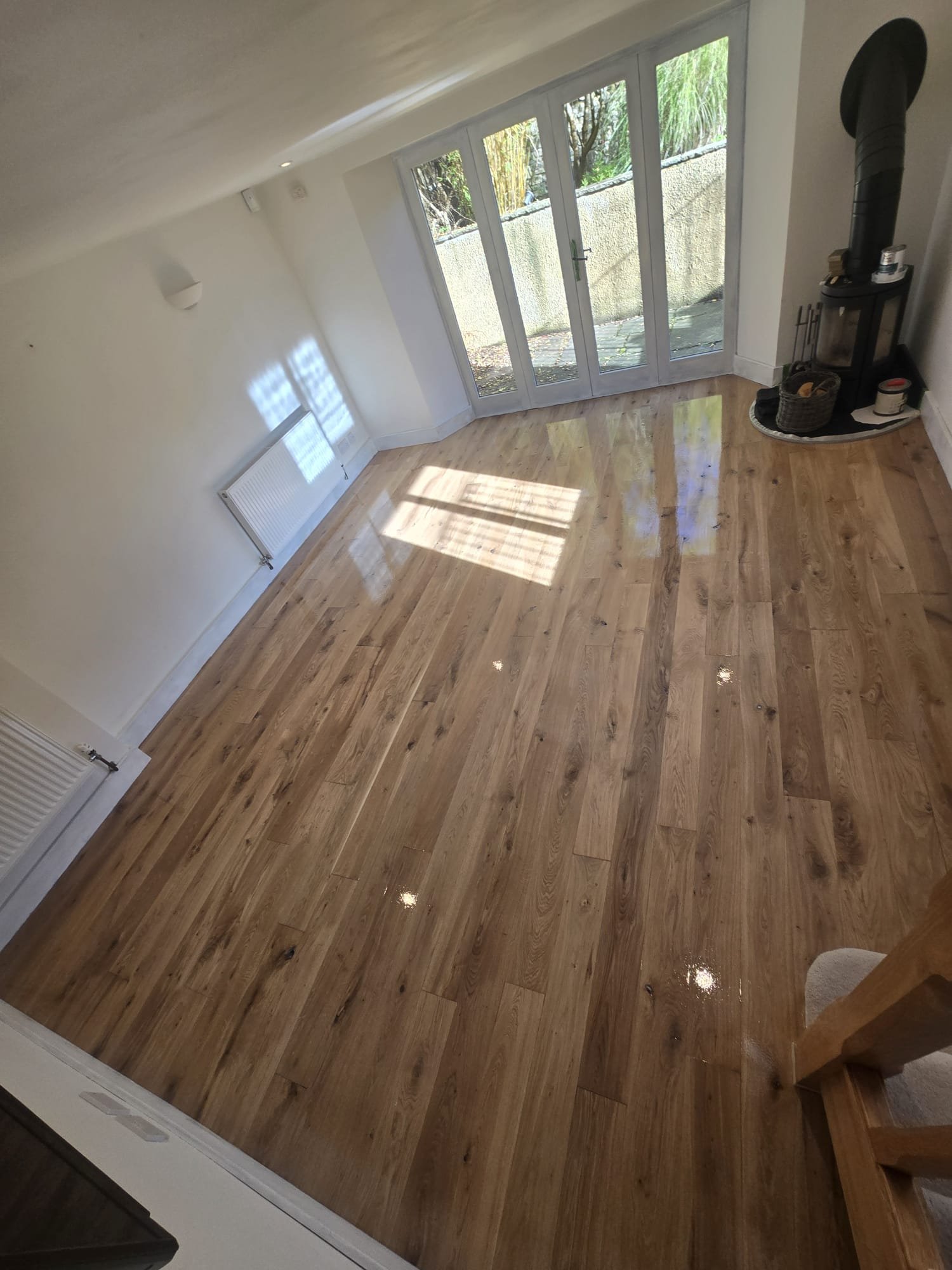
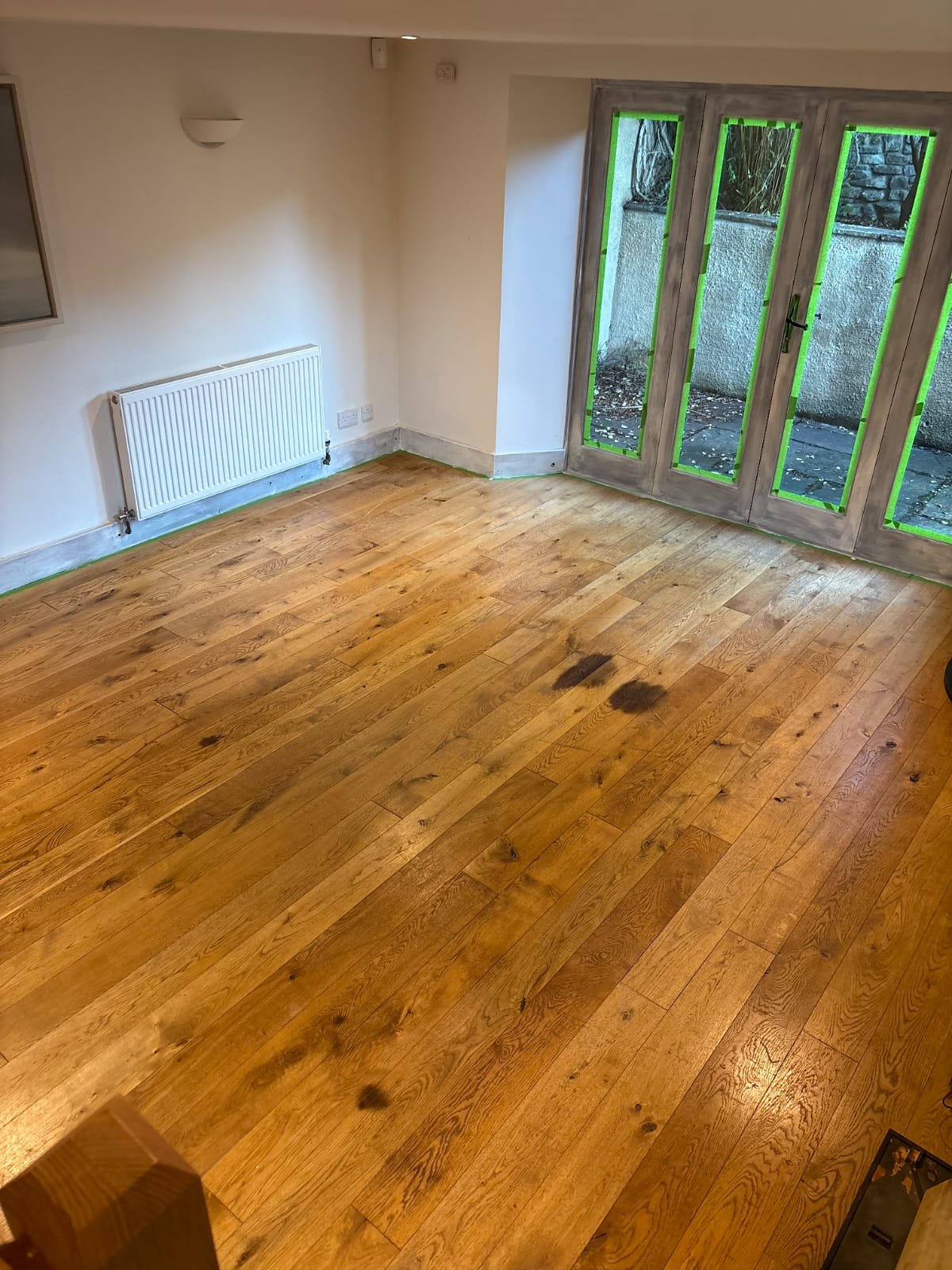
Drag the handle to compare before and after.
Progressive flat sanding
Coarse-grit stripping
Removing stubborn old varnishes, stains, and wear layers using professional belt sanding machines.
Rotary trio flatting
Using multi-disc rotary sanders to remove sanding marks and leave a perfectly smooth timber surface.
Sealed vacuum systems
Utilising sealed, dust-extracted sanding units to capture 99.8% of airborne wood dust.
Finishing & detailing
Corner & edge scraping
Using hand-scrapers and orbital edgers to sand flush right up to the skirting boards.
On-site color testing
Applying stain samples directly to your floor to see how the timber absorbs pigments before sealing.
Primer & seal barriers
Applying high-durability timber primers followed by double coats of protective polyurethane lacquer or hardwax oil.
Hardwood floor sanding process
- Step 1
Prepare room boundaries, check subfloor stability, and punch exposed nail heads.
- Step 2
Execute diagonal coarse-grit belt sanding passes to level boards and strip old finish.
- Step 3
Run medium and fine-grit rotary sand passes, detailing edges and corner areas.
- Step 4
Vacuum thoroughly, apply custom stains if selected, and seal with prime and top coats.
Ready to transform your floors?
Get in touch with our team today for expert advice, a professional on-site assessment, or a free, no-obligation quote tailored to your property.
Request a flooring quoteFrequently asked questions
How much dust does sanding create?
We use sealed, dust-extracted equipment to keep airborne dust to a minimum.
Can you change the colour of the hardwood?
Yes. We can stain and test samples on site so you approve the tone before finishing.
How long before we can use the room again?
It depends on the finish. Most floors are usable within 24-48 hours after the final coat.